Customer satisfaction is the purpose of every business. Customers are the sole unit that confirms the income for your business. The entire corporate world stands on the pillars of customer satisfaction.
But how do we know when the customer is satisfied? There isn’t a genie that will come and whisper to you. Instead, the business has to reach out to its customers to prevent any future escalations.
The value of customer feedback doesn’t just lie in customer opinions but on what you do with it.
The relevance of customer feedback becomes clear when you look at platforms like TripAdvisor, Yelp, Zomato, and SuperPages. These websites exist solely as review directories, hosting multiple reviews for almost every brand imaginable.
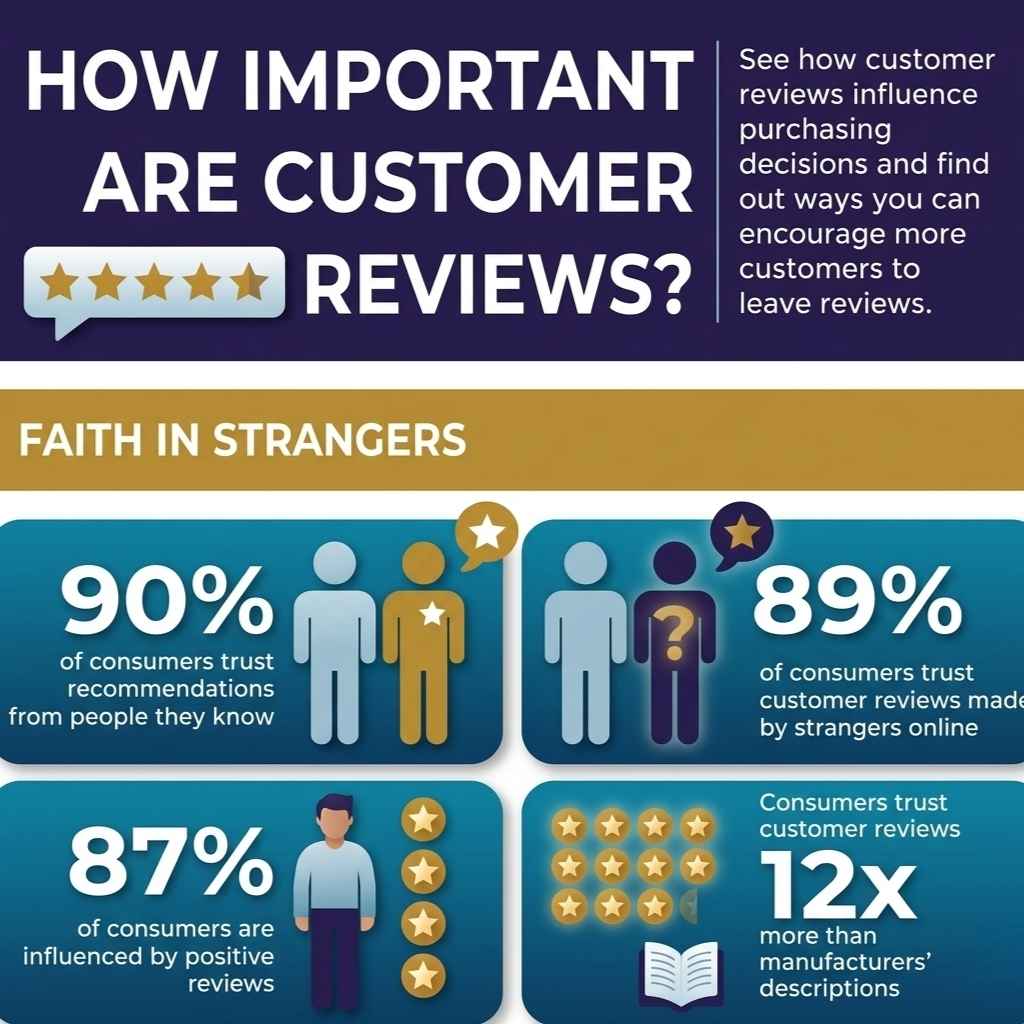
People proactively read these reviews before making purchase decisions.
Businesses, in turn, leverage these reviews to improve their services. That's just how influential customer feedback really is.
Customer Feedback: 10 Reasons why is it Important for Business
2. Products and Service Improvement
5. Impact on Business Decisions
1. Brand Advocacy:
Nowadays most businesses market themselves across several touchpoints, especially on the digital. On social media, existing customers and potential customers will be active on your profile. They will scout through your products and most likely to show intent of purchase or share their feedback. These feedbacks are public.
When potential customers witness these positive feedback, automatically they are encouraged to proceed with their purchase. These feedbacks fuel the customer intent. Your service and product self-sufficiently markets itself, creating brand awareness. You gain more conversions without making an actual effort to convince the individual customers.
2. Products and Service Improvement:
In order to detect the inefficiencies within your infrastructure, you need customer feedback. It’s the end user who knows the best. Being at the receiving end, customers unbiasedly recognize the values and the flaws within your product. This essential information can be retrieved through email surveys or post-purchase feedbacks. A very efficient and cost effective way to collect customer feedback is by using automated call blasts.
The bigger mistake would be to let this information die out. In fact, read as many reviews as possible. Segment all your data under one ticketing-system. Store individualized customer stories, to understand every individual. This data not only helps the customer support team to communicate better, but also the development and marketing teams in their respective goals.
3. Easier Outbound Sales:
As I mentioned above, that customer feedback helps the customer support team to communicate better. In other words, feedback offers an insight into the customer’s mindset. The feedback also clarifies what the customer actually expects from your business. This information can help your sales team to rethink their approach. Your agent will immediately know how to lead the conversation and create opportunities for selling and upselling.
4. Churn Reduction:
The core purpose of collecting customer feedback is to reduce your churn rate. To prevent churn and initiate customer retention, feedback is essential. Once you understand the shortcomings, you know exactly where to improve.
Feedback also helps you identify which customers are at risk of churning, giving you the opportunity to act before it's too late. Implement feedback forms or run monthly surveys to gather this information consistently. Encourage participation through your marketing channels so customers know you're listening.
This way, customers feel genuinely heard. You can even initiate one-on-one video calls with long-term customers to understand their goals and build stronger relationships.
A positive attitude toward learning from mistakes demonstrates reliability and brand value. In return, customers will stay loyal through challenges, and their positive reviews will naturally drive more sales.
5. Impact on Business Decisions:
Your business cannot envision a future without considering the customer's role in it. Place the customer at the center of every decision you make.
Customer feedback is essential for creating business strategies. It gives shape to your roadmap and helps your business recognize the goals it needs to meet.
Customer feedback is the most unfabricated piece of information that your business has. Everything else is AI-driven forecasts. But it all relies on this source of data. Every quarter when you assess these data, your team managers will realize where to improve. This helps every department on all corporate levels.
6. CX Improvement:
Customer feedback isn't always about your products often, it's about the overall customer experience. The journey from visiting your product page (or brick-and-mortar store) to post-purchase treatment shapes how customers feel about your brand.
At any point in that journey, if a customer feels mistreated or exhausted, they may disengage from your brand entirely. Pain points can be subtle — a slow landing page, a complicated payment process, limited payment options, hard-to-reach support, or an outdated knowledge base.
The customer must get everything at their fingertips. With actionable feedback on their experiences, you can improve the entire ecosystem your brand offers.
7. Meet Your Key Metrics:
To understand customer success, businesses rely on several metrics. These indicators help you recognize your strengths and weaknesses — and your immediate goal is to meet these benchmarks.
Popular metrics include the Net Promoter Score (NPS) and Customer Satisfaction Score (CSAT). Customer feedback directly opens room for improvement on both.
What's remarkable is how a single piece of feedback can trigger service improvements that benefit multiple customers — and move your KPIs in the right direction.
8. Brand Morals:
The initiative to gather customer’s opinions is a healthy practice. When the customer feels pushed to provide feedback, they realize how genuine your brand is. The customer learns to trust your brand. Such conventions promote a positive brand image. Your brand’s public image is as important as any other aspect of your business.
When you become open to criticism, customers realize your efforts. This harbours trust which in return ensures brand loyalty. In this competitive market, having a dependable public image is a winning edge.
9. Competitive Edge:
There are lots of businesses out there who are uncaring towards their customers. Their efforts are more towards customer acquisition than retention. This is a clear mistake. Amongst businesses like these, when your team proactively captures customer feedback, you are already winning the game. Customer feedback is not only about improving your inefficiencies, but also about recognizing what they love about your brand. This allows you to think out of the box and bring unexpected positive changes within your organization. These positive feedbacks build the foundation of your brand’s value, helping you to reach further than your competitors.
10. Improved Business:
Customer’s desires are evident through the feedback that is collected. These feedbacks allow you to segment your happy from not-so-happy customers. Now your managers will know better, which customers are potential leads for upselling and cross-selling. This way you can market your products to the right customers, without overwhelming the other pool of your user base. This increases your chances for making more sales without the cost of acquisition.
Conclusion:
It is fairly understandable that all the factors are inter-related. One factor leads to another, leading to the bigger picture. Customer feedback and customer satisfaction goes hand in hand. It helps you to understand your market on a broader aspect which in turn results in a fine tuned product or service. In a way, you set a standard not only for you to meet, but also your competitors aspire to go beyond it. Be a trend setter, with effective customer support tools and routine customer feedbacks.